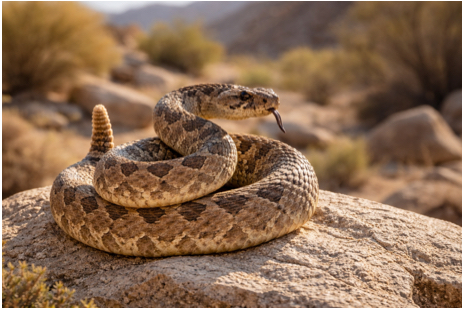
The rattlesnake, the elephant, and the baby. They have a basic problem in common: staying warm. Or at least, warm enough. They have very similar metabolic systems, which provide heat and energy. But they also have differences when it comes to managing to stay warm.
We human animals have both heating and cooling systems. The complex, interconnected, pathways of metabolism generate the heat we need. If the rate of metabolism is too high — maybe we’re running a marathon — cooling mechanisms kick in; the blood is redirected more to circulate near the skin, we sweat, we pour water over our heads.… Read the rest “KEEPING THE BABY WARM”
